
Aerial Bundled Cable (SIP-2 & SIP-4): Technical Sizing for 2x16, 4x16, 4x25, and Installation Guidelines
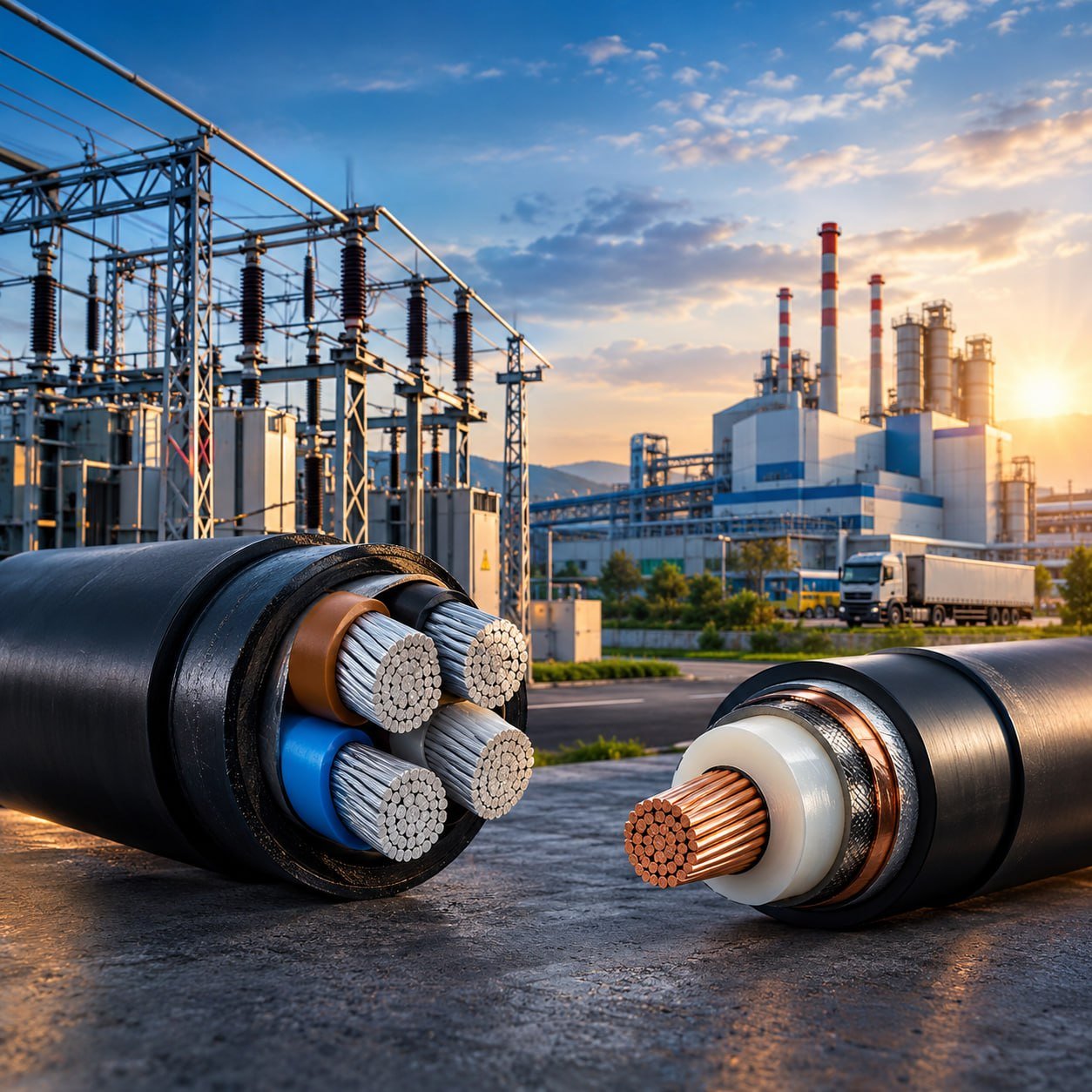
Heavy-Duty Power Cables: Why Modern Industry Relies on AVVG 4x240 and APvP 1x240
Aerial Bundled Cable (SIP-2 & SIP-4): Technical Sizing for 2x16, 4x16, 4x25, and Installation Guidelines

How to Choose Electrical Cable for Projects: Stock Availability, Load Capacity, and Fast Delivery
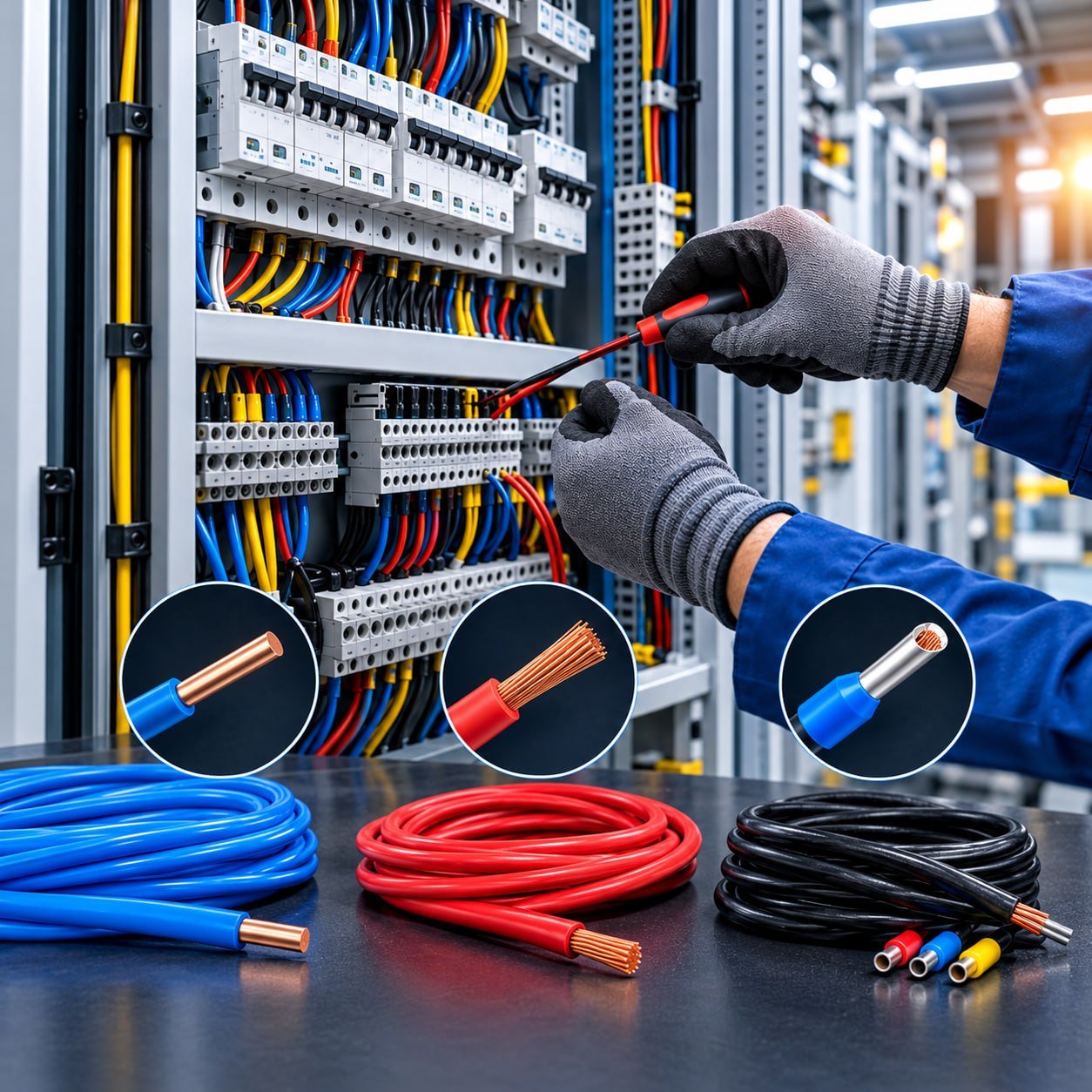
PuV vs PuV 3 vs PuGV: Which Wire Is Best for Electrical Panels?
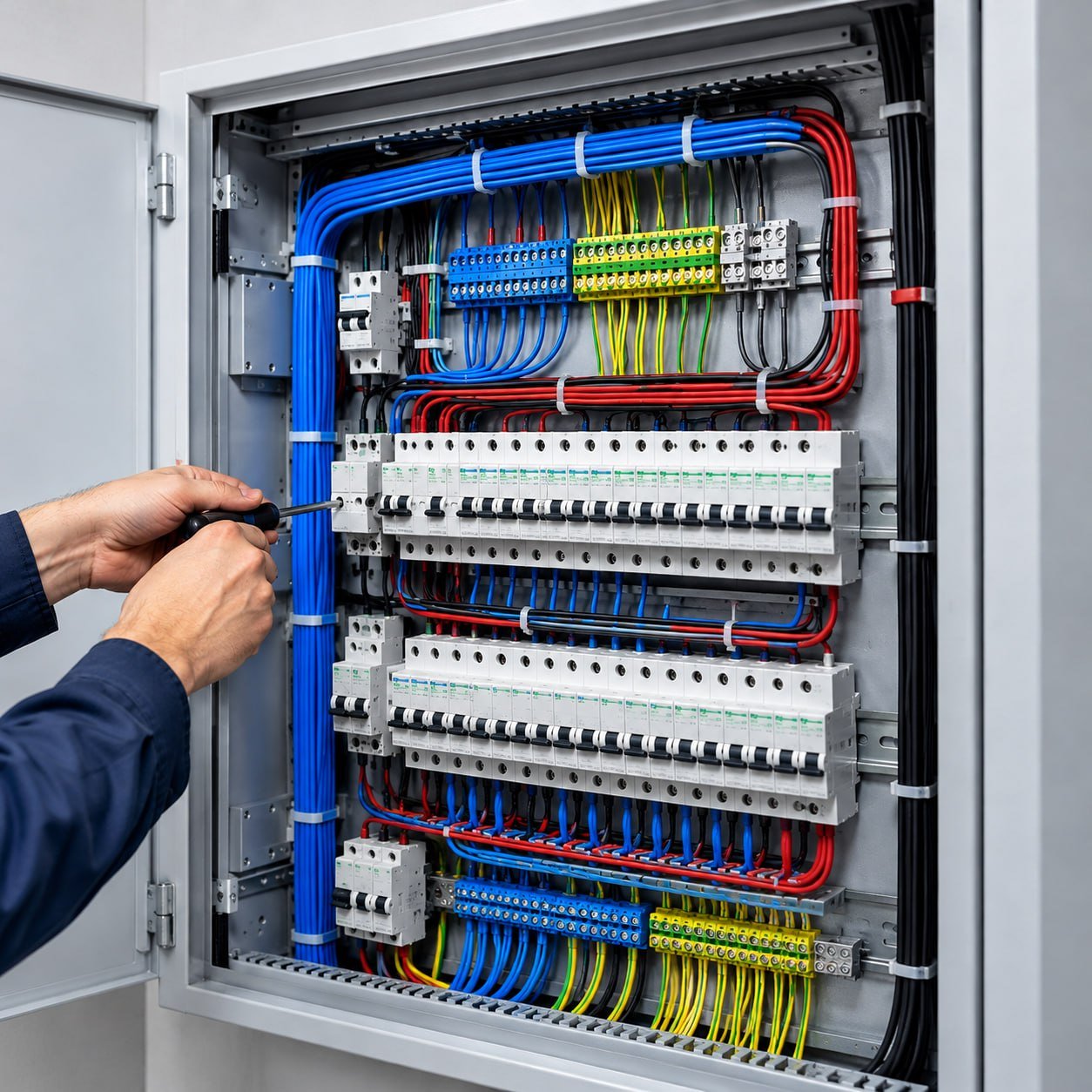
How Are Ideal Electrical Panels from the Internet Built? What is the Difference Between PUV, PUV 3, and PUGV Wires?

The Premium Cable You’ve Been Looking For: Nest One & Piramit Tower Quality Now at Hayat Kabel!

Why do large companies and industrial enterprises work with Hayat Kabel for years?
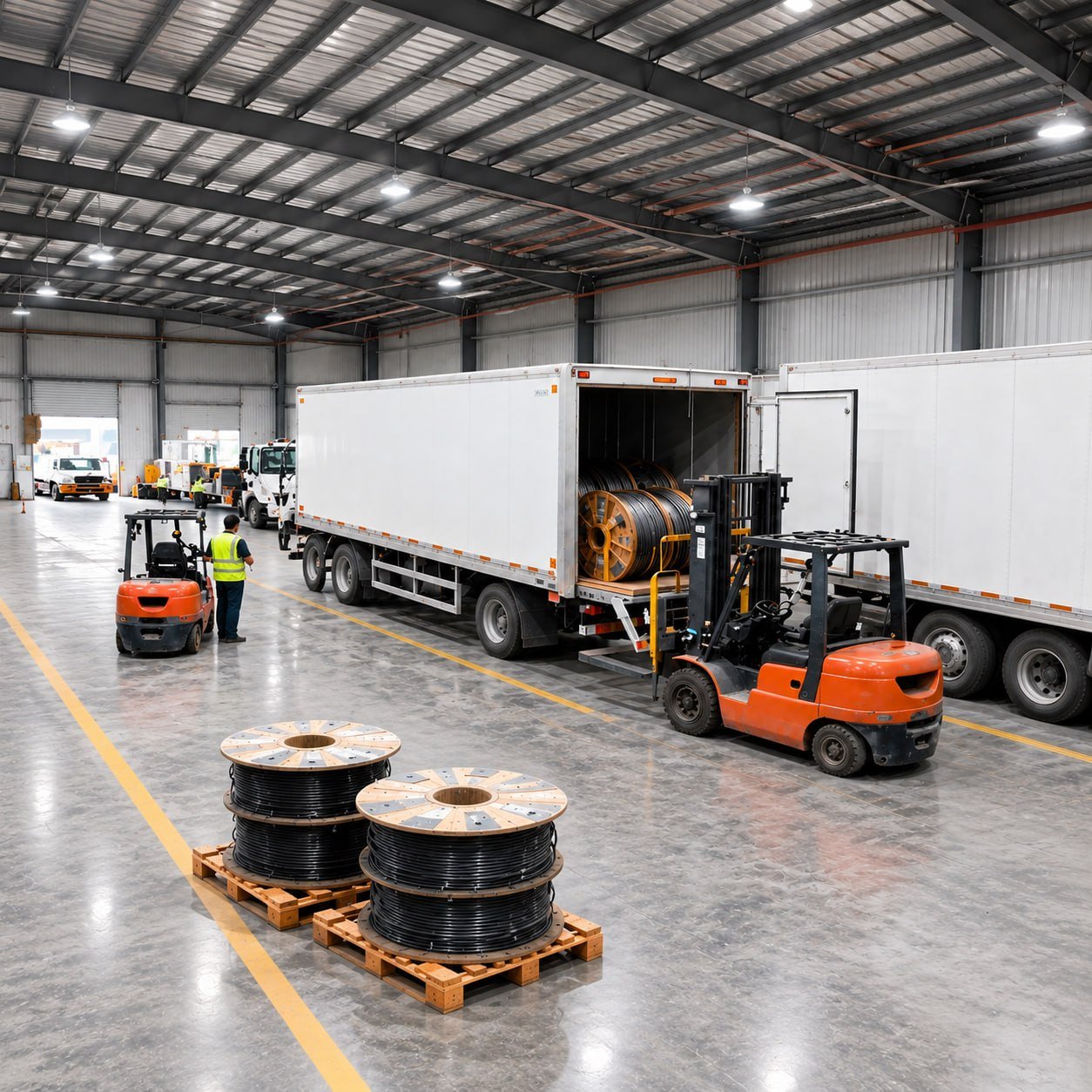
How does Hayat Kabel delivery service work?
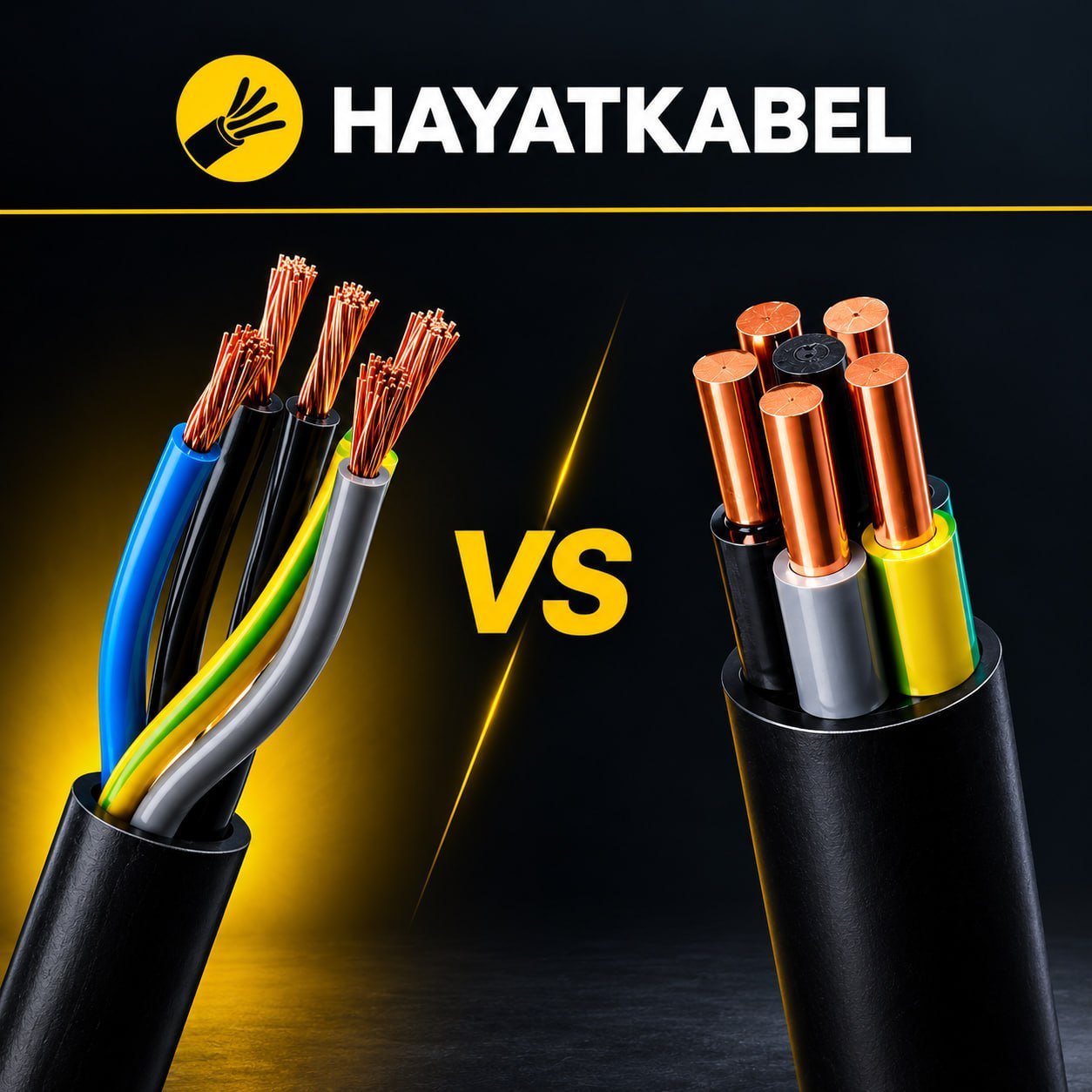
Stranded vs Solid Cable — Which One Is Better?
Hayat Kabel — quality and reliability proven over the years
Hayat Kabel — a reliable partner for every client

ISO 9001:2015 certificate renewed — No.50
Aerial Bundled Cable (SIP-2 & SIP-4): Technical Sizing for 2x16, 4x16, 4x25, and Installation Guidelines
For overhead distribution lines operating up to 0.4 kV and up to 10 kV, as well as service drops connecting residential and industrial facilities, conventional bare aluminum conductors (AAC/ACSR) have been widely replaced by Aerial Bundled Cables (known as SIP).
The deployment of insulated aerial bundled conductors significantly cuts operating and maintenance expenses, prevents short circuits caused by conductor clashing in high winds, impedes ice formation, and safeguards networks against unauthorized tapping. However, engineers, site contractors, and procurement managers frequently encounter practical questions regarding configuration selection: "What are the structural distinctions between SIP-2 and SIP-4?", "Which cross-section matches specific site demand: 2x16, 4x16, or 4x25?". This guide covers the engineering fundamentals of these cables.
1. Structural Comparison: SIP-2 vs. SIP-4
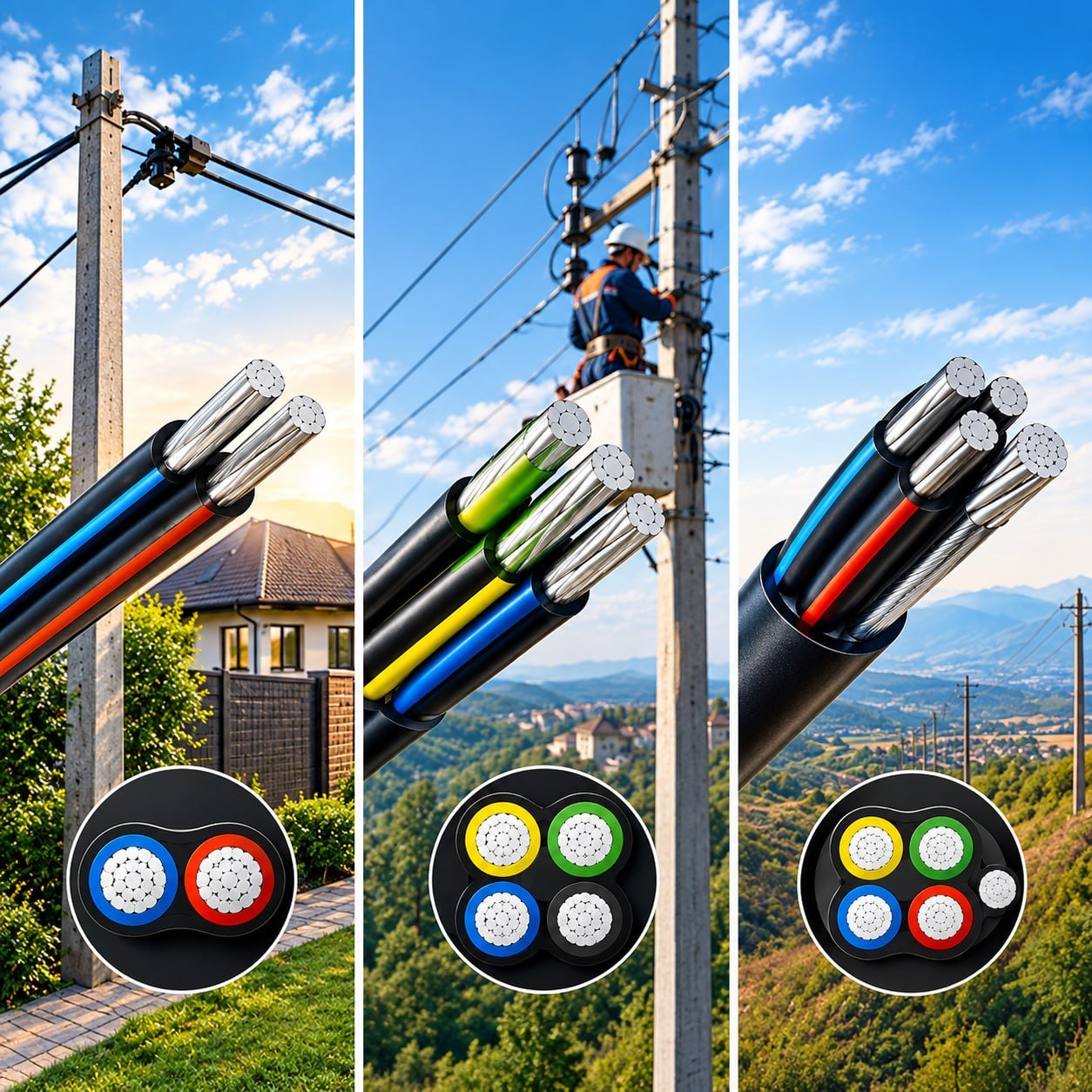
The defining engineering distinction between these two cable types centers on mechanical tension distribution along the span:
SIP-2: This design features a dedicated insulated neutral messenger conductor made from a high-tensile aluminum alloy (often with a steel core). All insulated phase conductors are cabled around this neutral core. When the line is tensioned between support poles, the full mechanical load—including self-weight, wind velocity, and ice accretion—is carried exclusively by the neutral messenger. Consequently, SIP-2 is the optimal choice for primary distribution trunk lines spanning long distances between utility poles.
SIP-4: This configuration does not include a separate messenger core. All conductors in the bundle (both phase and neutral) have identical cross-sections, uniform structural properties, and equal mechanical strength. Tensile forces during installation are distributed evenly across all bundled cores. SIP-4 is primarily engineered for service drops from main utility poles to building entry points, exterior facade mounting, and secondary distribution runs with short pole-to-pole distances.
2. Cross-Section Selection and Rated Current Capacity
Selecting the appropriate conductor gauge depends on total connected equipment load, system phase configuration (single-phase 220V or three-phase 380V), and total span distance:
SIP 2x16 (SIP-4 2x16) — Standard Single-Phase Service Drop
Target Applications: Branching electrical service from utility poles to private residential homes, rural cottages, and small commercial kiosks on a single-phase 220V grid.
Current Carrying Capacity: Permissible continuous current in open ambient air reaches approximately 70–80 A.
Load Handling: Supports continuous loads up to 15–18 kW, providing ample headroom for household appliances, air conditioning systems, and pumping equipment.
SIP 4x16 — Standard Three-Phase Service Connection
Target Applications: Service entrances for modern residential complexes, manufacturing facilities, repair shops, and irrigation pump stations requiring three-phase 380V supply.
Engineering Advantage: Enables balanced distribution across all three phases. When connected to a three-phase system, this conductor gauge safely accommodates total loads up to 40–45 kW.
SIP 4x25, 4x35, and 4x50 — Commercial Feeders and Local Mains
Target Applications: Supplying industrial workshops, cold-storage warehouses, site offices, and local street distribution networks.
Engineering Advantage: Larger conductor cross-sections prevent voltage drops across extended transmission distances (exceeding 100–150 meters) and handle high inrush currents from electric motors without thermal overload.
3. Critical Installation Best Practices
Overhead line reliability relies heavily on proper hardware selection and handling:
Engineered Piercing Hardware: Aerial bundled cables must never be terminated using bare wire splices or improvised clamps. Branch taps require specialized insulation-piercing connectors (IPCs) that penetrate the insulation to contact the conductor while maintaining moisture-tight environmental sealing. Mechanical tensioning requires certified dead-end and suspension clamps designed specifically for aerial bundles.
UV-Stabilized Insulation Performance: Overhead conductors endure continuous exposure to solar radiation, temperature cycling, and weathering. Low-grade cables manufactured with standard PVC or unstabilized polyethylene will crack under ultraviolet exposure within 2 to 3 seasons, leading to water ingress and line failure. Premium ABC cables utilize carbon-black-stabilized cross-linked polyethylene (XLPE), ensuring an operational life of over 30 years under harsh outdoor conditions.
Dependable Aerial Cable Supply for Your Infrastructure Projects
Hayat Kabel manufactures and distributes SIP-2 and SIP-4 aerial bundled cables across all standard gauges (2x16, 4x16, 4x25, 4x35, 4x50, 4x95) directly from our warehouse facilities in Tashkent:
Strict compliance with GOST and international IEC manufacturing standards;
Steady warehouse stock available for fast project dispatch;
Coordinated logistics to jobsites across Tashkent and regional Uzbekistan.
Leave your contact details — our specialists will get in touch with you shortly to provide a customized wholesale offer.