
PuV vs PuV 3 vs PuGV: Which Wire Is Best for Electrical Panels?
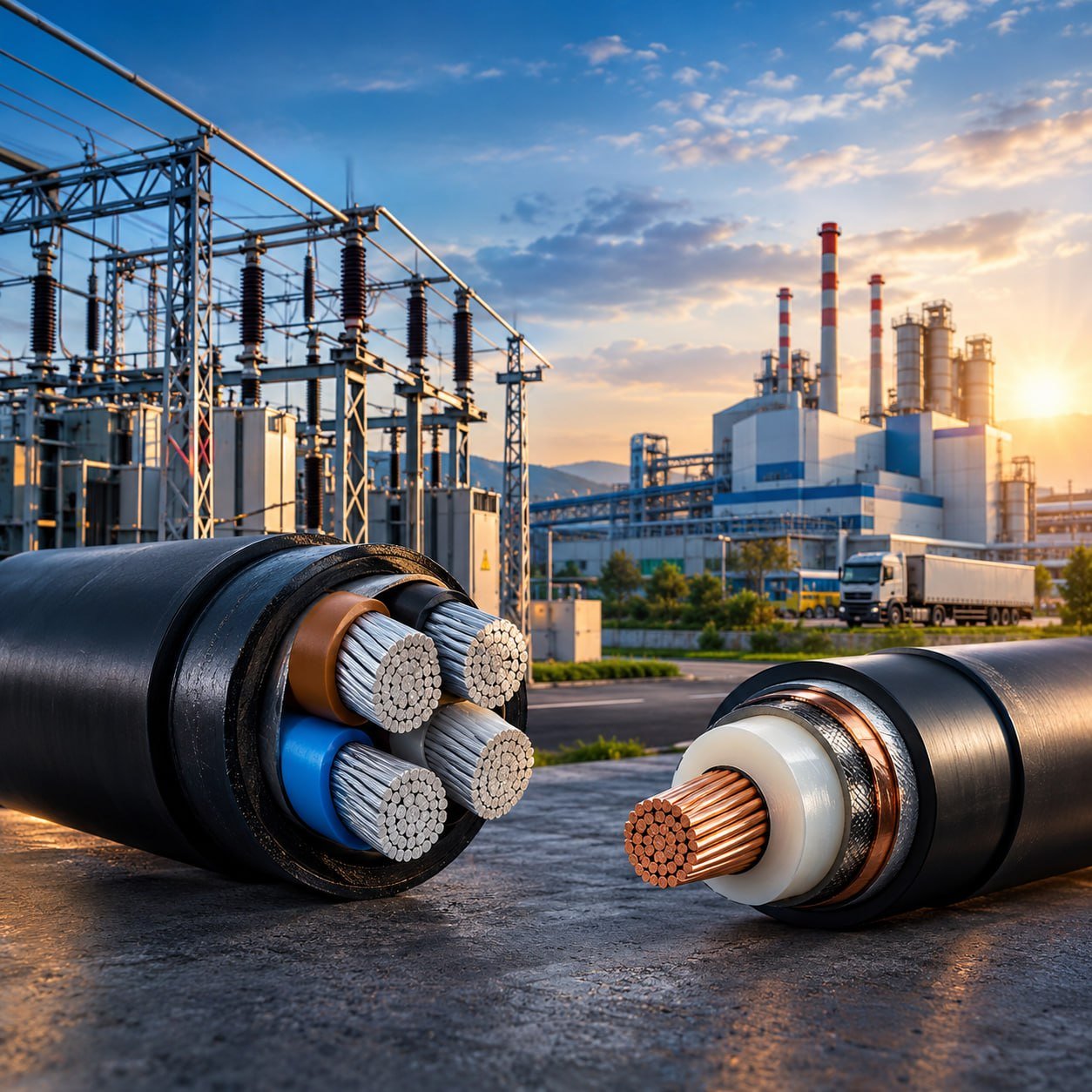
Heavy-Duty Power Cables: Why Modern Industry Relies on AVVG 4x240 and APvP 1x240
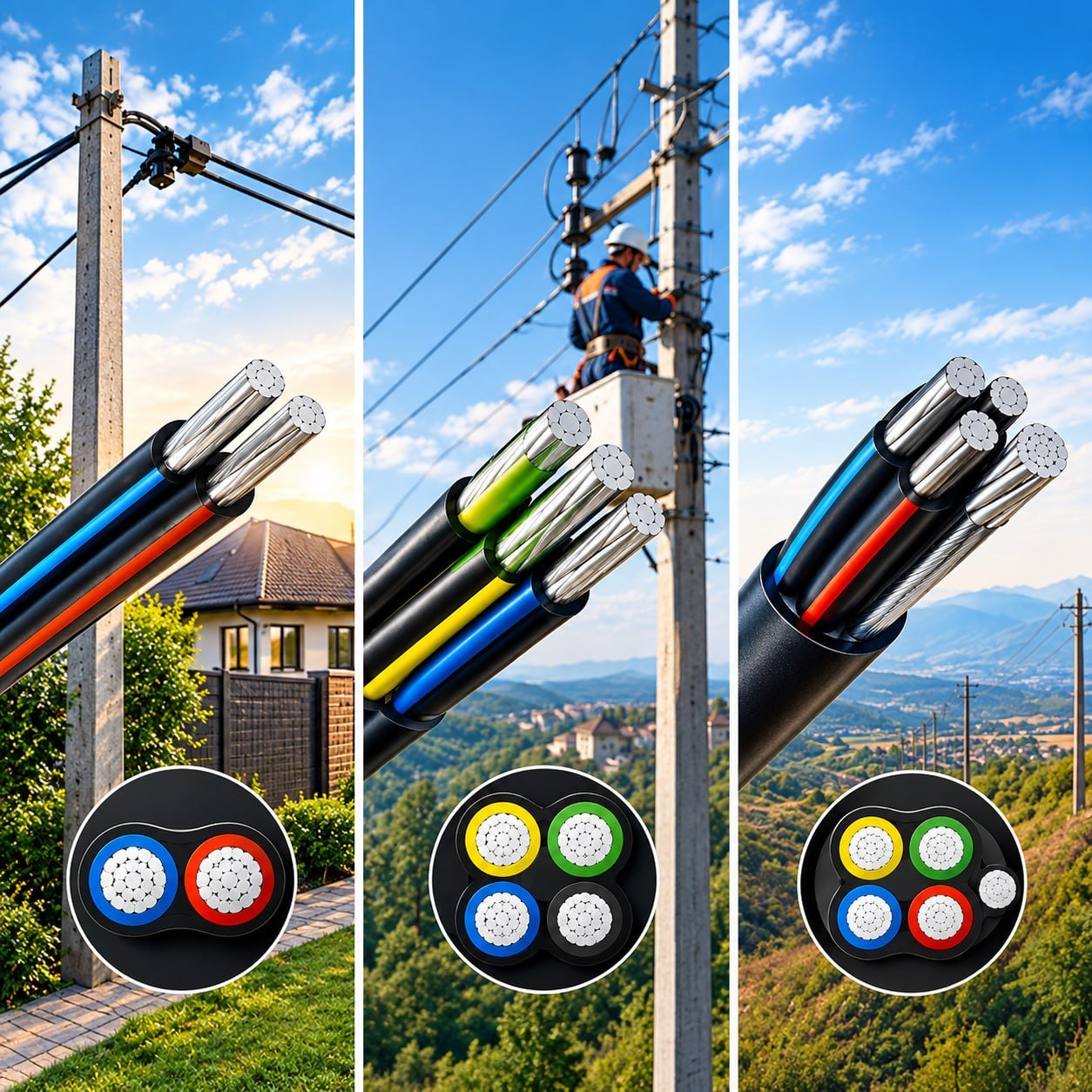
Aerial Bundled Cable (SIP-2 & SIP-4): Technical Sizing for 2x16, 4x16, 4x25, and Installation Guidelines

How to Choose Electrical Cable for Projects: Stock Availability, Load Capacity, and Fast Delivery
PuV vs PuV 3 vs PuGV: Which Wire Is Best for Electrical Panels?
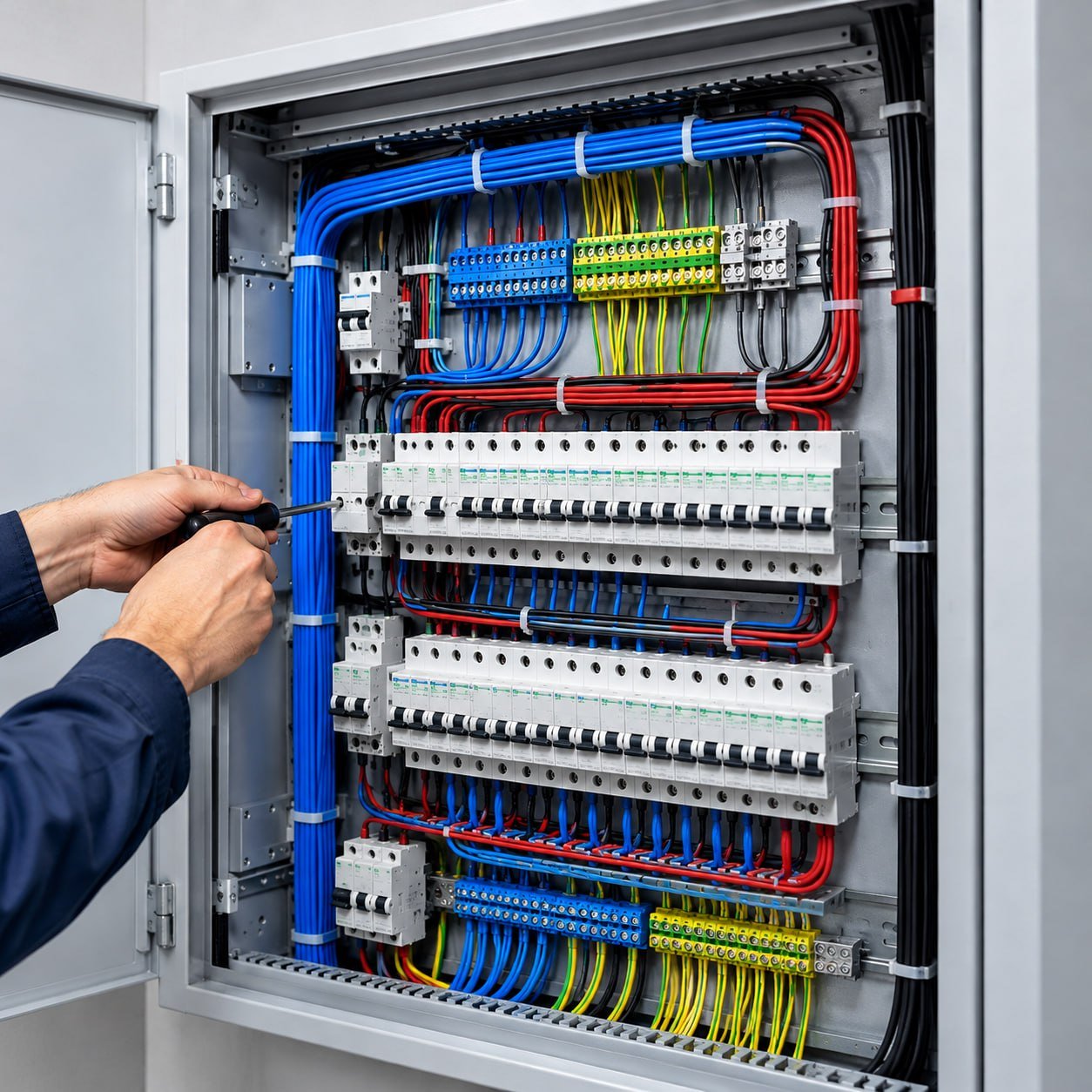
How Are Ideal Electrical Panels from the Internet Built? What is the Difference Between PUV, PUV 3, and PUGV Wires?

The Premium Cable You’ve Been Looking For: Nest One & Piramit Tower Quality Now at Hayat Kabel!

Why do large companies and industrial enterprises work with Hayat Kabel for years?

How does Hayat Kabel delivery service work?
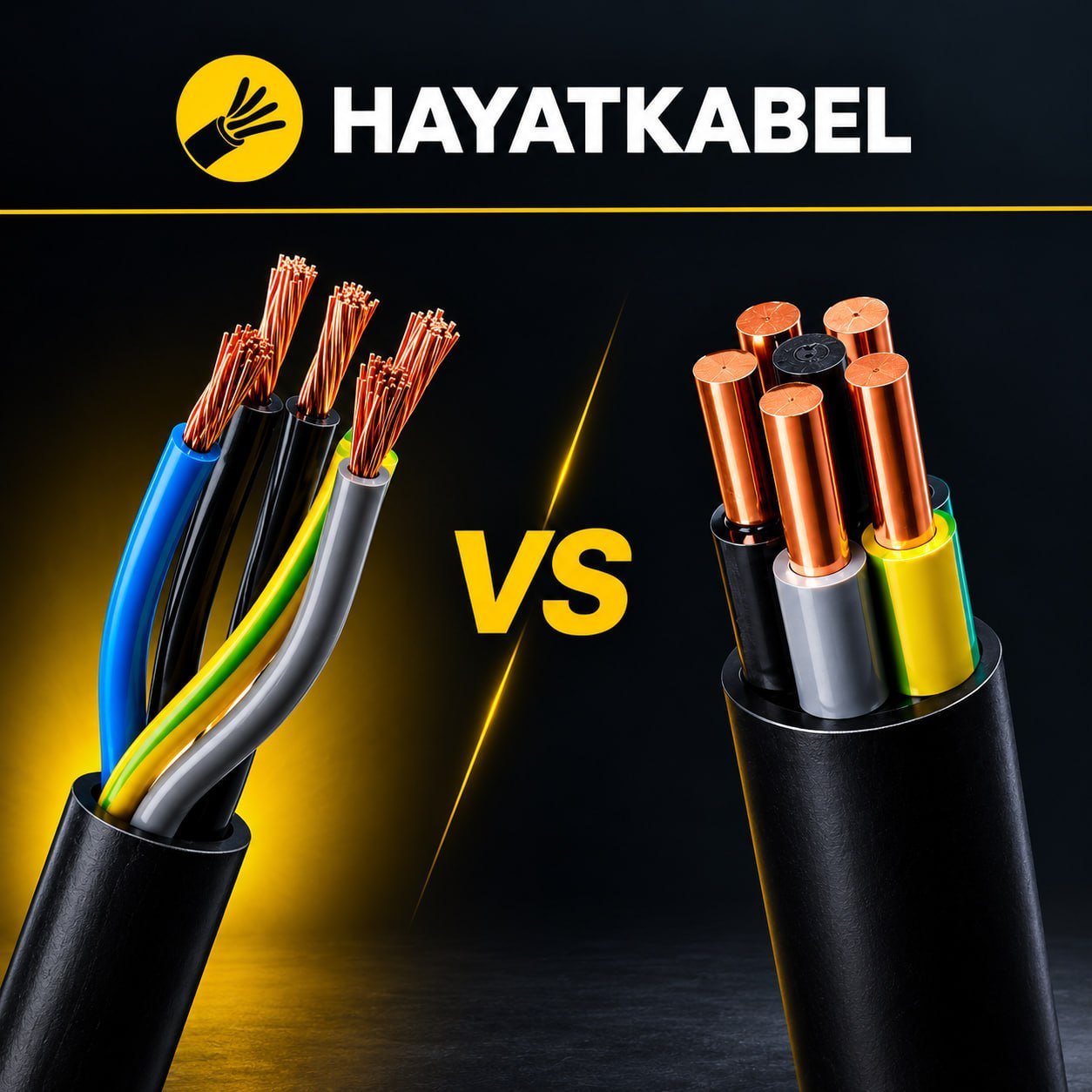
Stranded vs Solid Cable — Which One Is Better?
Hayat Kabel — quality and reliability proven over the years

Hayat Kabel — a reliable partner for every client

ISO 9001:2015 certificate renewed — No.50
PuV vs PuV 3 vs PuGV: Which Wire Is Best for Electrical Panels?
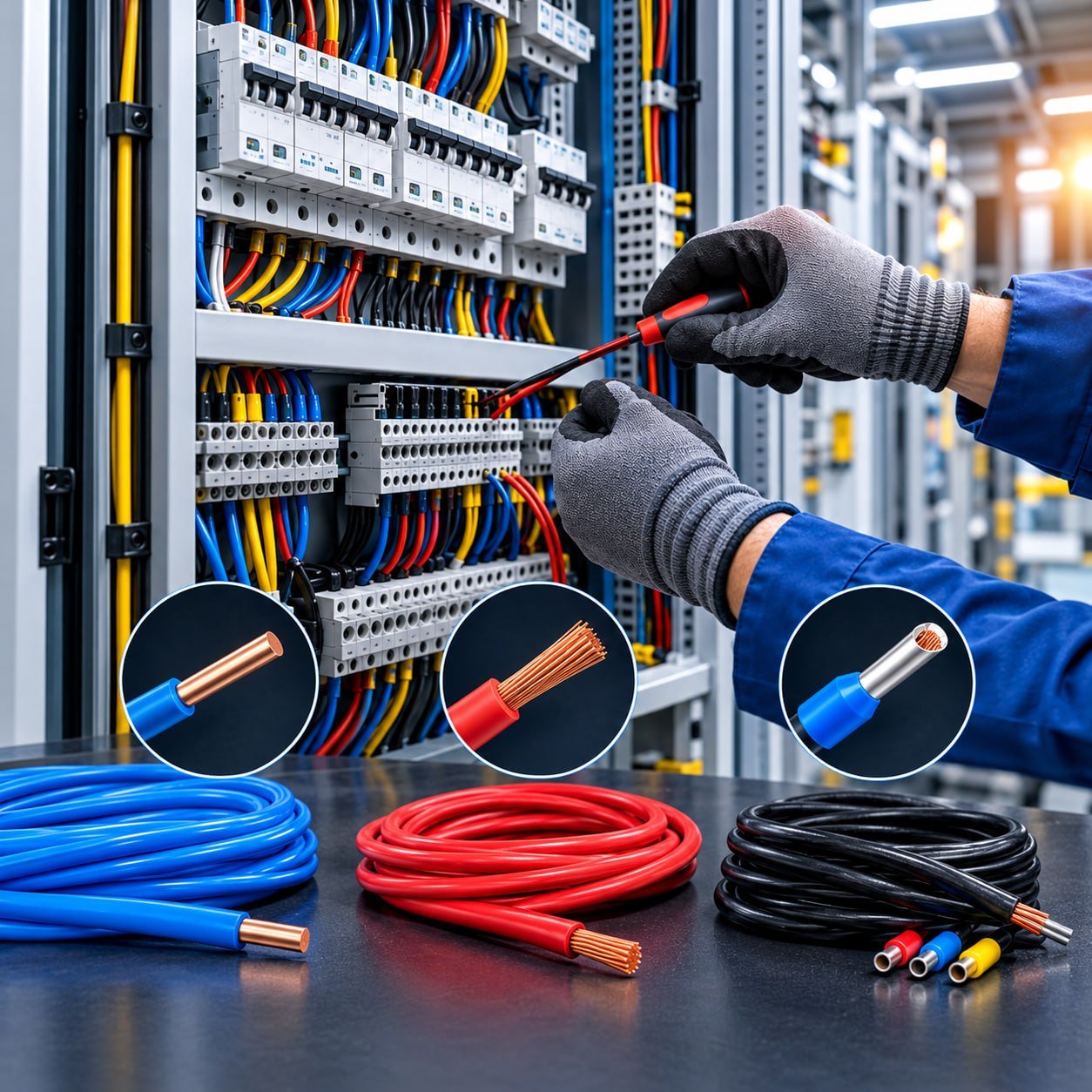
When building electrical distribution boards, control cabinets, and performing internal wiring, the most commonly used conductors are copper installation wires: PuV (formerly PV-1), PuV 3, and PuGV (formerly PV-3). While they share identical PVC insulation and copper conductors, their flexibility classes and handling characteristics differ significantly.
1. PuV (PV-1): Rigidity and Precise Shape Retention
Conductor Type: Solid, single-strand copper conductor (Class 1 flexibility).
Characteristics: Rigid and holds its bends cleanly without sagging.
Advantages: Perfect for installations requiring crisp, neat 90-degree angles. Does not strictly require bootlace ferrules, as the solid conductor clamps securely directly beneath screw terminals of circuit breakers.
Best Used For: Stationary distribution boards, panel main lines, and spacious electrical cabinets.
2. PuV 3: The Balanced Middle Ground
Conductor Type: Multi-strand copper conductor made of several medium-gauge wires (Class 2–3 flexibility).
Characteristics: More flexible than single-core PuV, yet sturdy enough to keep its routing line.
Advantages: Requires less bending effort while still maintaining neat pathways inside wiring ducts and conduits.
Best Used For: Medium-density panels, conduit wiring, and standard indoor cabinet installations.
3. PuGV (PV-3): Maximum Flexibility for Tight Cabinets
Conductor Type: Fine-stranded multi-wire copper conductor (Class 5 flexibility).
Characteristics: Extremely soft and pliable, flexing effortlessly around tight corners.
Advantages: Drastically speeds up assembly time in dense, modern control panels packed with relays, contactors, and terminal blocks. Reduces hand fatigue during extensive wiring.
Essential Rule: The stripped ends of PuGV fine strands must always be crimped using insulated bootlace ferrules (cord end terminals) before insertion into breaker screw terminals. Clamping bare stranded wire directly can crush individual copper strands, causing loose connections and overheating.
Best Used For: High-density automation panels, complex industrial switchboards, and machinery subject to vibrations.
How to Choose the Right Wire
Choose PuV if your priority is rigid geometrical layout, clean visible lines, and direct screw-terminal termination without ferrules.
Choose PuV 3 if you want an easy bend combined with reliable stability in general-purpose cabinets.
Choose PuGV along with quality crimped ferrules if you are working in tight spaces with intricate routing and high component density.
Purchase high-quality PuV, PuV 3, and PuGV copper switchboard wires for your installations directly from Hayat Kabel.
All our products are manufactured from 100% electrolytic copper and strictly adhere to official technical and safety standards.